Kuapapoh: The Day Old Houses Stand Up to Tell Their Stories
A creative space project that revived houses number 78, 109, and 305 · What the new generation tells about the town, and what history still needs to uncover
Imagine strolling along Sri Takua Pa Road, a street lined with old shophouses that have stood the test of time. Many of these buildings have their wooden doors quietly shut, sleeping away alongside the long-gone golden age of tin mining. Underneath that quietness, however, lie countless memories of the town, its people, and its trade, waiting to be told.
In recent years, a creative space project called 'Kuapapoh Ji Show Mueang' has stepped in to open the doors of these once-abandoned old houses and bring them back to life. They did not just repaint or repair the roofs, but are bringing the stories of Takua Pa back on display for the newer generations to see.
This movement reflects a town trying to stand up and tell its own story through the perspectives of locals, artists, and community collaboration. However, in reading these changes, we must still distinguish between newly created narratives for tourism and historical facts that still need careful verification.
The Once Sleeping Spaces Return to the Town
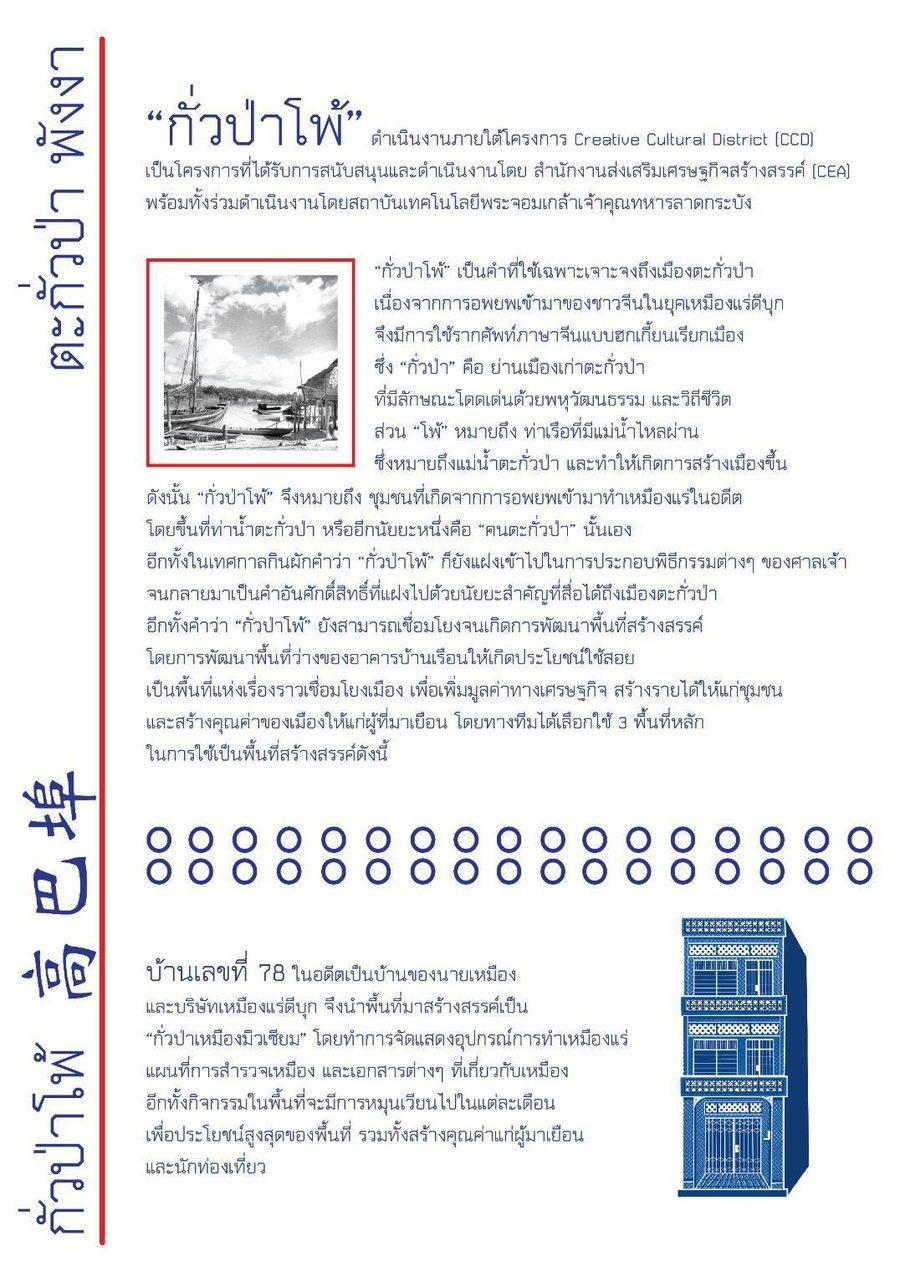
We often remember Takua Pa through its prosperous tin mining era. When that industry declined, many buildings were left behind. One of them is house number 78, formerly a mine owner's residence and a tin mining company office. Today, this once-empty space has been transformed into the 'Kuapa Mueang Museum', exhibiting mining equipment, old maps, and important documents for visitors to experience the traces of the past.
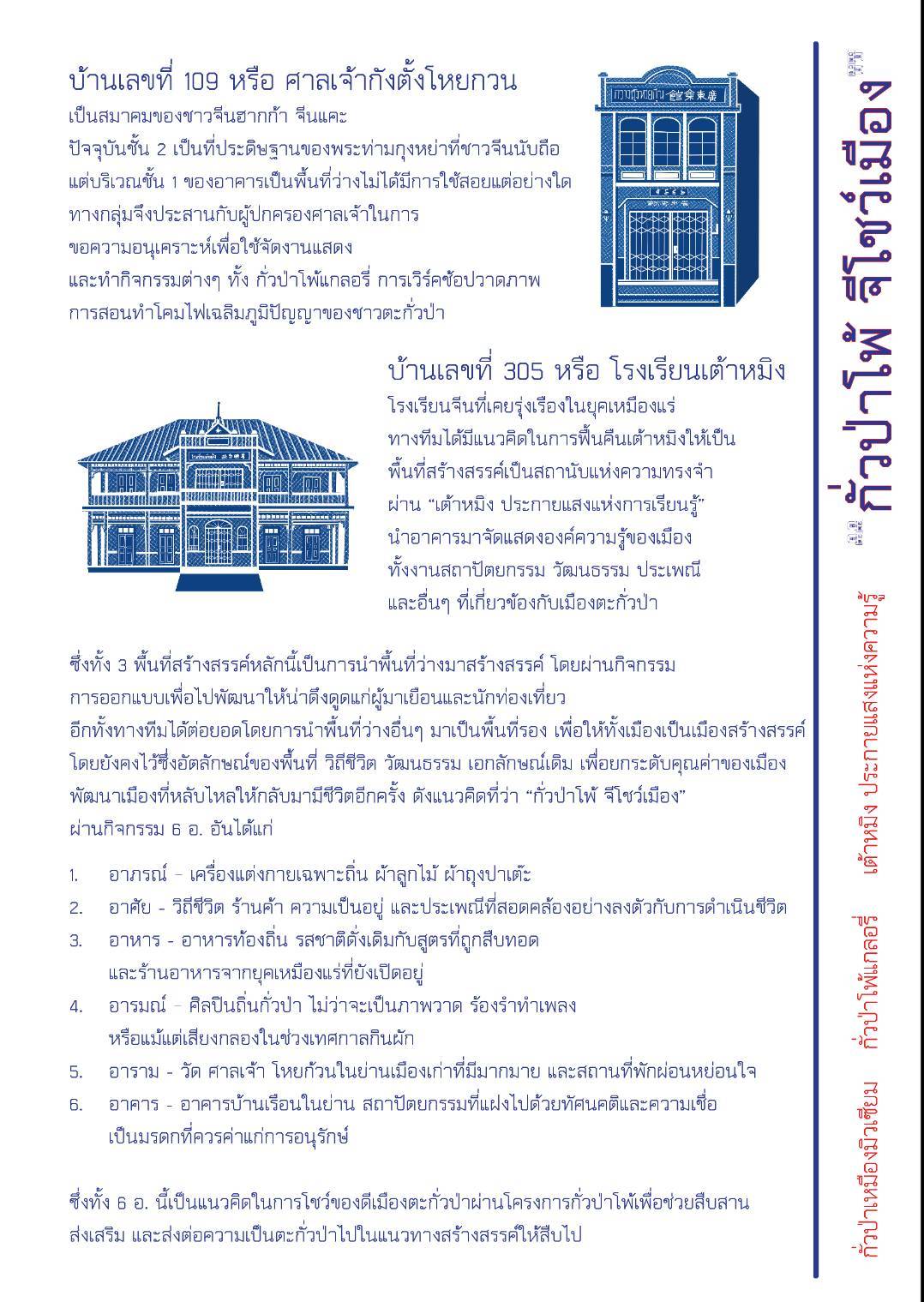
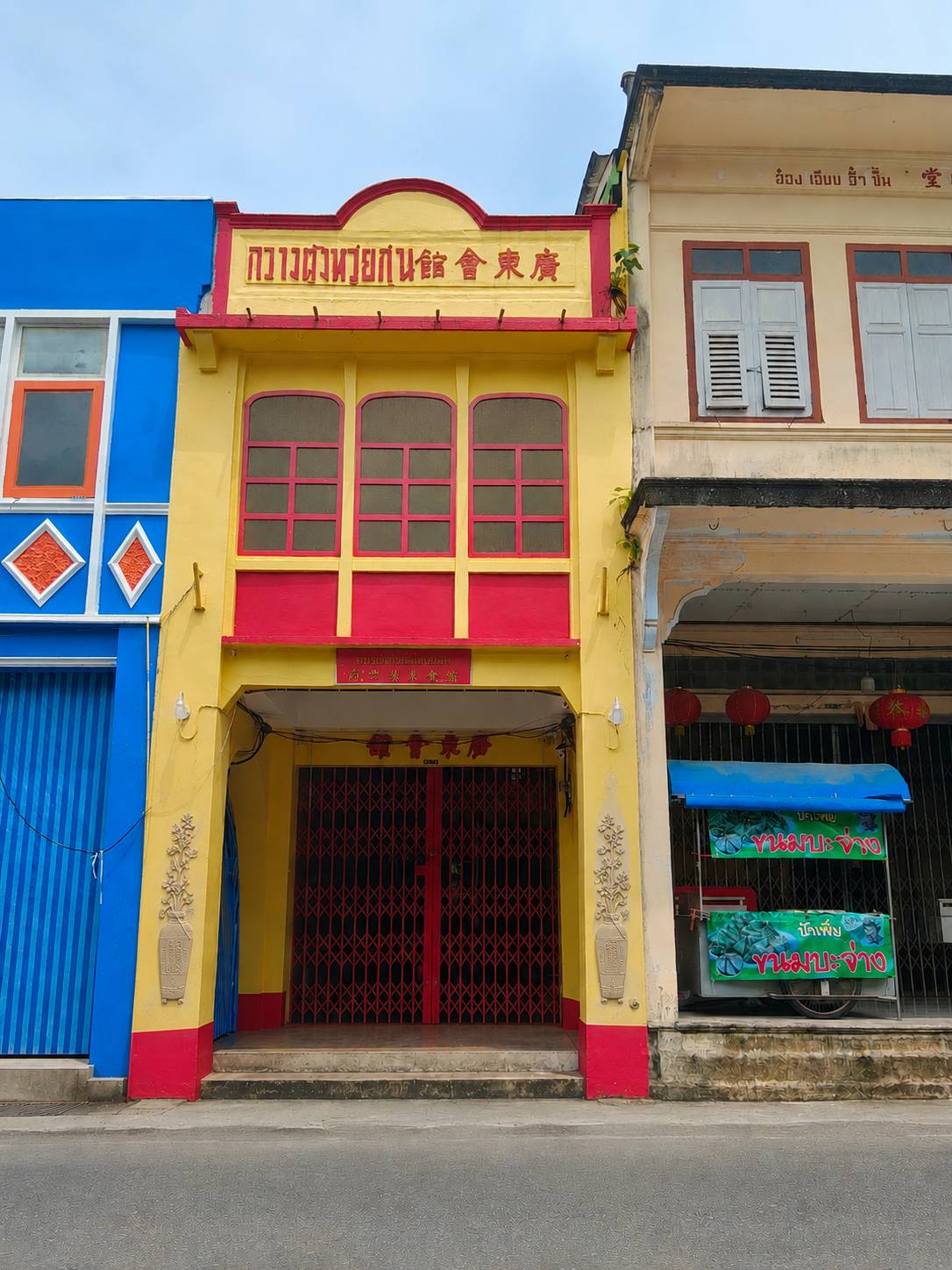
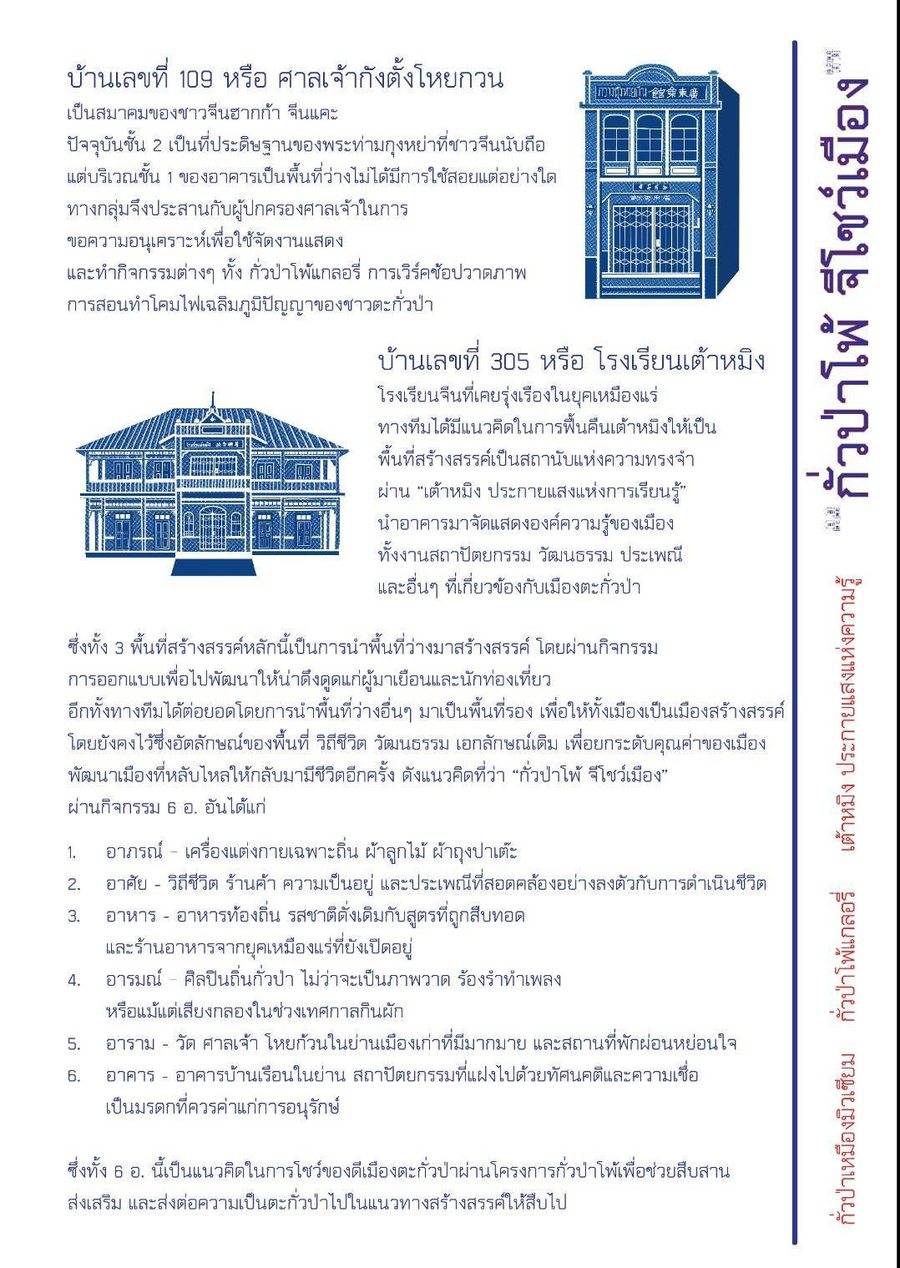
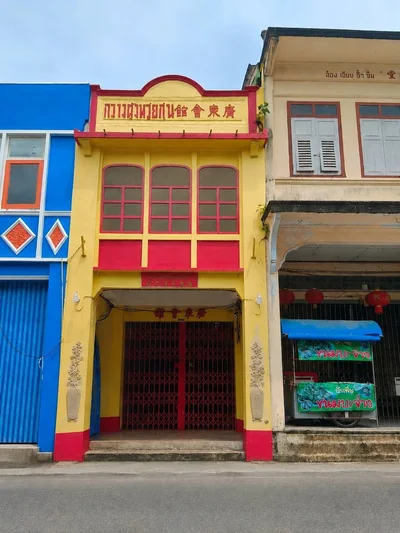
Not far away on the same route is house number 109, the building of the Kang Tang Yui Kuan or Wui Kun shrine, an association of the Hakka Chinese. The second floor of the building still houses the deity Tham Kung Ya for people to pay their respects. But the ground floor space, which used to be empty and unused, has been turned into the 'Kuapapoh Gallery' to host exhibitions and showcase the wisdom of the Takua Pa old town residents.
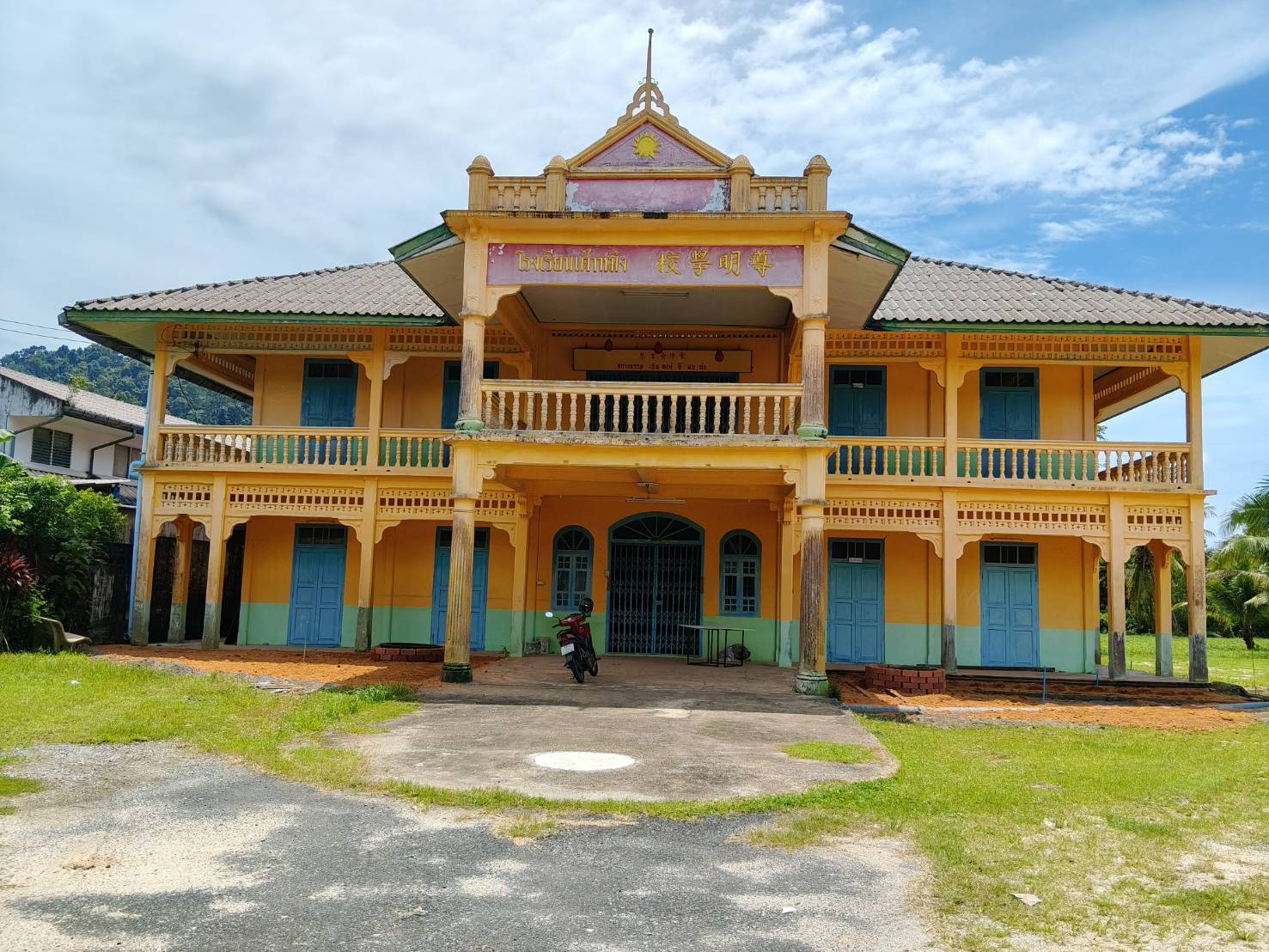
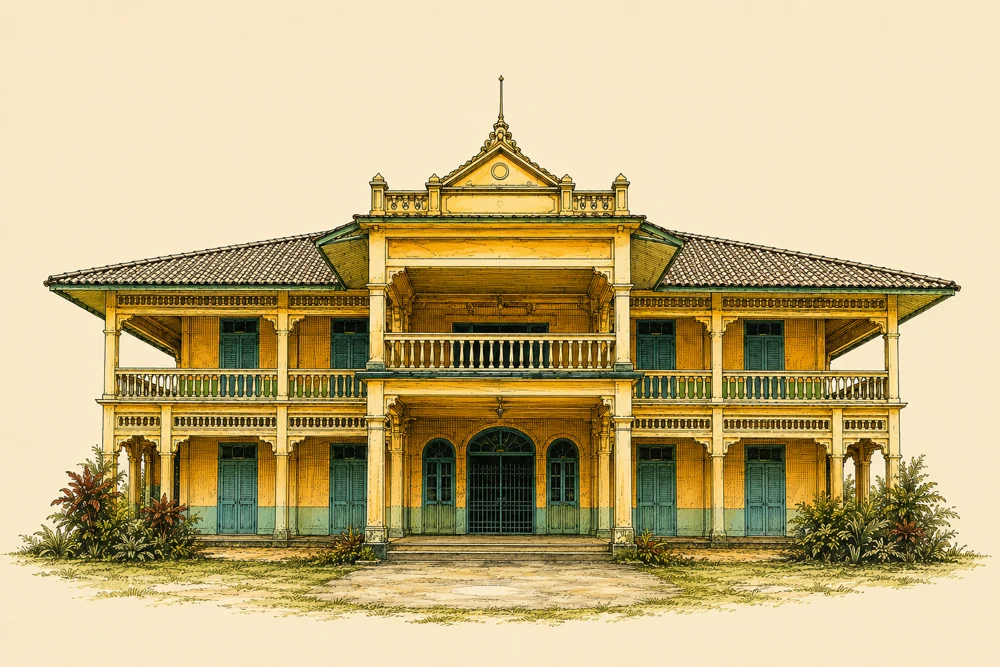
Another significant building that the project has dusted off is building number 305, or 'Tao Ming School' (the town's first Chinese school), which was an educational center during the prosperous mining era. The team came up with the idea to revive this space under the name 'Tao Ming: The Spark of Learning', using it as a venue to exhibit knowledge on architecture, culture, and traditions related to Takua Pa.
The effort to bring these three spaces back into use is an initiative filled with the project owners' determination to add economic value and create worth for the town. We must collectively understand, however, that this is an explanation and operation at the community project level, not an official declaration of historical site status or historical endorsement from government agencies.
Working with community narratives is about balancing beautiful memories with facts that must be verified.
Kuapapoh: A Moniker Carried by the River
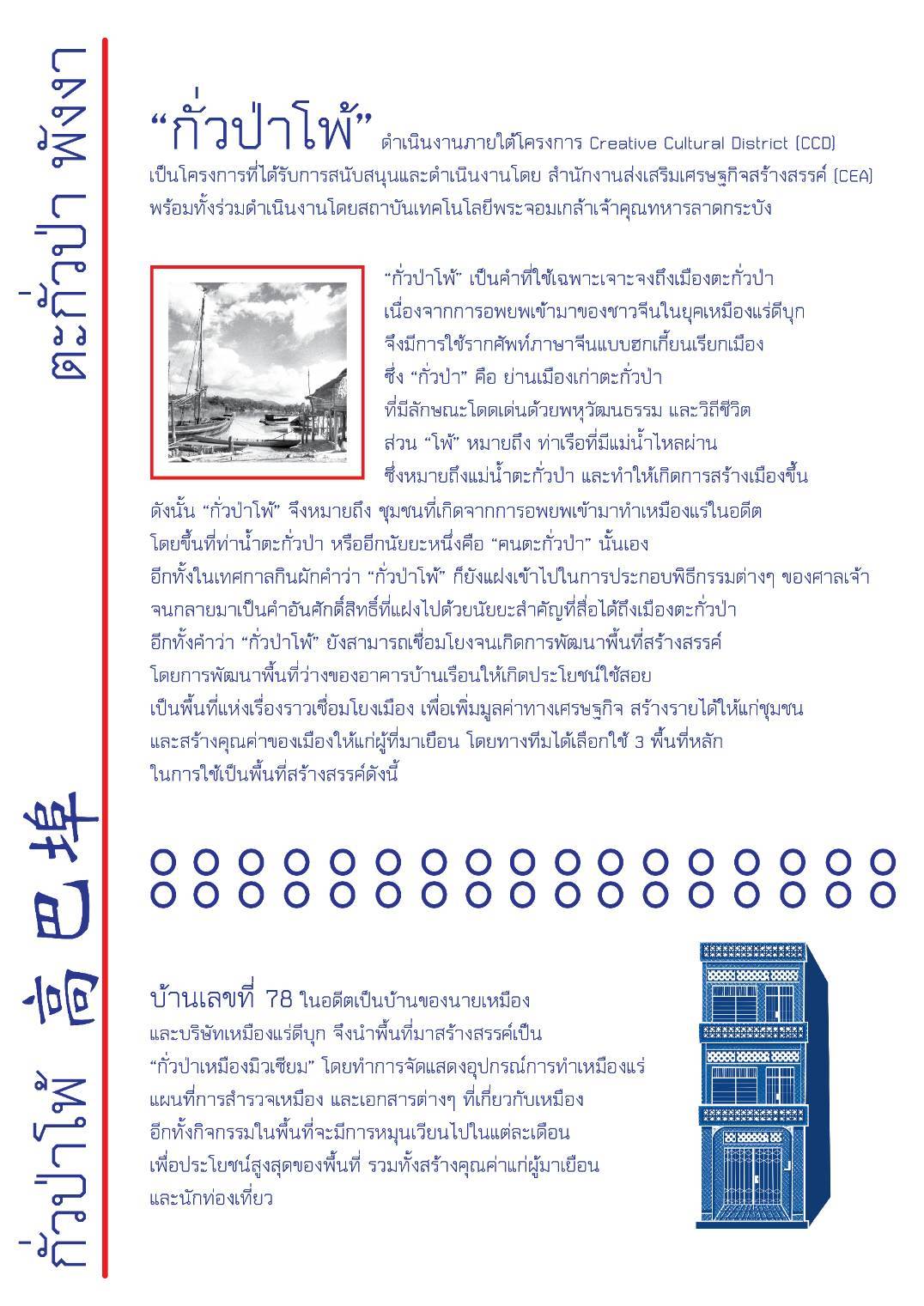
As soon as you hear the name 'Kuapapoh', the first question that usually follows is where this word comes from. The project's archival information explains that this was the term Hokkien Chinese used in the past to call Takua Pa town, dividing the translation into two parts: 'Kuapa' meaning Takua Pa, and 'Poh' meaning market or port.
When combined, the word conveys 'Takua Pa port market', reflecting the past image of Chinese people sailing across the sea to trade and mine tin, using the pier as a center for exchanging both goods and culture. In addition, in the community's belief, the word Kuapapoh is also embedded in the rituals performed at various shrines during the vegetarian festival, becoming a word with deep meaning in the hearts of the townspeople.
While this is a beautiful story that connects well with the community's roots, in academic circles, the origin of the Takua Pa town name is still debated with several suggested, not settled hypotheses. Some refer to the ancient name Takola, while others base it on the words takua (lead) and pa (forest).
Therefore, the project's explanation is considered a record of memory and interpretation through the context of the Hokkien Chinese community, rather than a single, settled historical academic conclusion. This is the reason we must read this story with an open mind and caution.
Peranakan Charm Through the Brush Tip
The liveliness of the old town district reappeared concretely in September 2026 (2569 BE) when 78 Studio on Takua Pa Culture Street opened its space to host a solo art exhibition titled 'Peranakan Charm · Still Becoming'.
The artist behind these works is Tinnaphop Ngansathir, or Chang Pong. He is a native of Takua Pa old market, growing up with cartoon drawings, superheroes, and Chinese deities familiar in the local culture. After accumulating artistic experience for a long time, he chose to use his brush tip to convey the stories of the town he is attached to.
The artworks in the exhibition focus on extracting Peranakan colors, patterns, and clothing for display, serving as a bridge connecting the glorious past with people in the present era. Each painting is not just visually beautiful, but an emotional record of the artist towards the town.
Even though the project documents clearly record the exhibition hosting and the opening of space for artists to express themselves, what we still do not see in the reports are the number of attendees or a formal economic impact assessment. These activities thus serve as cultural ripples rather than official government statistics.
Viewing the Town Through the Lens of Six Heritages

To help visitors understand the identity of Takua Pa old town more deeply, the project did not stop at organizing exhibitions. They also compiled and presented the '6 Or' concept to use as a framework for viewing the town's heritage hidden in daily life.
This concept starts with 'Aphon' (Apparel) or local clothing, whether it is lace fabrics, batik sarongs, and various accessories. Followed by 'Asai' (Abode) which covers the way of life, trading, and living in accordance with the times. As for 'Ahan' (Food), it is indispensable. It is the traditional flavors passed down from generation to generation, and the old restaurants that still keep their stoves on to this day.
In the dimension of the mind, the town is driven by 'Arom' (Emotion) expressed through art, music, and the sound of drums in the vegetarian festival. Meanwhile, 'Aram' (Temples and Shrines) is the center of faith, including temples, shrines, and Yui Kuan scattered around the old town district. And finally, 'Akhan' (Architecture), the structures that stand as witnesses to change.
All these concepts were also further developed in the design of souvenirs, such as the Poh Shop project's t-shirts. The revenue from the sales is brought back to fund the restoration and drive the town's activities forward, truly circulating value back to the community.
What the Town Tells and What We Must Verify
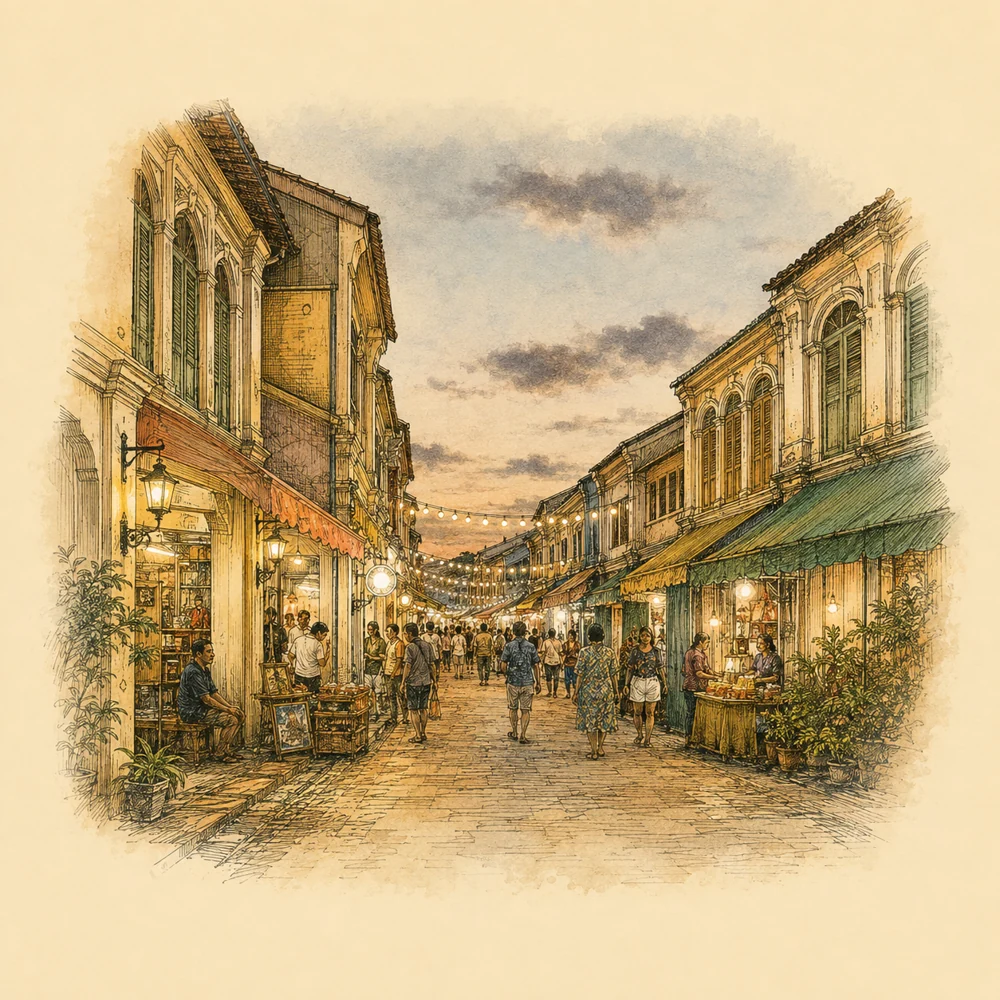
The Kuapapoh project allows us to see the determination of the new generation and locals who want to preserve and build upon the stories of Takua Pa. They created creative spaces, brought in art as a medium, and turned once-closed houses into new travel destinations.
What is recorded on the project's website and documents serves as a contemporary archive that the community chose to tell about itself. It is a memory full of life and the pride of the residents.
At the same time, however, reading these stories also calls for us to maintain a balance between appreciation and historical facts. Many parts of the information are explanations that have not been endorsed by government agencies and cannot replace calendars or academic documents.
This is the challenge and fun of walking around Takua Pa old town today. We have the task of listening to those beautiful stories while simultaneously asking questions and finding answers from reliable sources, so that our journey does not end with just looking at pictures, but truly understanding the town in all dimensions.
Where to visit in person
Tao Ming School
Takua Pa Old Town Cultural Street
Takuapa Riverwalk
Missing data
- The number of attendees or the official economic impact generated by the project
- The legal status or endorsement from government agencies of the three houses
- The clear and settled origin of the Takua Pa town name in history
Sources
- กั่วป่าโพ้ · จดหมายเหตุโครงการ · โครงการกั่วป่าโพ้ · content.json · ส่วน origin, events, openings · View sources (Accessed 2026-09-07)
ภาพจากคลังโครงการกั่วป่าโพ้
Present photos
Historical photos