Then · Before · Now
ThenA riverside temple of Takua Pa, starting under the name 'Wat Kongkha'
พ.ศ. 2305 / ค.ศ. 1762 (ข้อเสนอจากแหล่งข้อมูลท้องถิ่น-ราชการ); พ.ศ. 2479 / ค.ศ. 1936 (อุโบสถ)
Conflicting informationหลักฐานของหน่วยงานด้านสิ่งแวดล้อมศิลปกรรมระบุว่าวัดสร้างขึ้นใน พ.ศ. 2305 และเดิมชื่อวัด “คงคา” ขณะที่ฐานข้อมูลโบราณคดีของศูนย์มานุษยวิทยาสิรินธรระบุอายุโบราณสถานสำคัญจากอุโบสถที่สร้างใน พ.ศ. 2479 จึงควรอ่านเรื่องกำเนิดเป็นประวัติ 2 ชั้น: อายุวัดตามทะเบียน/คำบอกเล่า กับอายุอาคารที่ยังเห็นอยู่ ซึ่งไม่ใช่เรื่องเดียวกัน
วัดตั้งอยู่บนที่ราบตะกอนริมคลองตะกั่วป่า ด้านตะวันตกของลำน้ำ ในเมืองที่มีประวัติเป็นหัวเมืองชายฝั่งและศูนย์กลางแร่ดีบุกกับการค้าทางทะเล บริบทเมืองเช่นนี้ทำให้วัดน่าจะทำหน้าที่เป็นศาสนสถานประจำชุมชนริมน้ำ แต่ยังไม่พบหลักฐานเฉพาะวัดที่ระบุผู้สร้าง เหตุผลการสร้าง หรือบทบาทของชาวจีนฮกเกี้ยน/เจ้าเมืองโดยตรง จึงไม่ควรเติมรายละเอียดเกินหลักฐาน
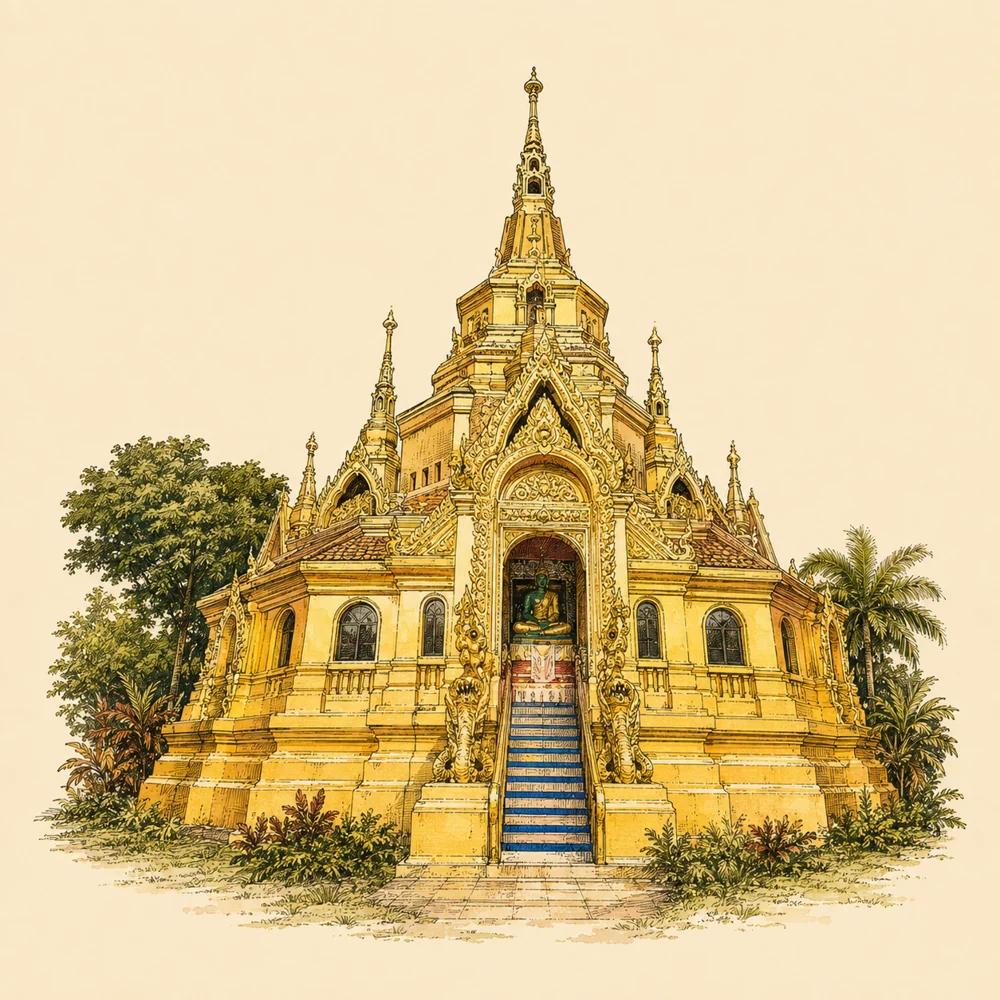
อุโบสถที่สร้างใน พ.ศ. 2479 เป็นอาคารก่ออิฐถือปูนแบบปักษ์ใต้ หันหน้าไปทางตะวันออก และประดับปูนปั้นเรื่องเจดีย์ พระพุทธรูป ธรรมจักร และพรรณพฤกษา สะท้อนการเป็นทั้งพื้นที่ประกอบศาสนกิจและงานช่างของชุมชนในยุครัตนโกสินทร์ตอนปลายถึงรัชกาลที่ 8
BeforeA new name, a new historical site, and returning as a living temple
พ.ศ. 2483 / ค.ศ. 1940; พ.ศ. 2539 / ค.ศ. 1996; พ.ศ. 2545 / ค.ศ. 2002
Verifiedประวัติวัดที่บันทึกในฐานข้อมูลโบราณคดีระบุว่าเดิมเรียกวัดคงคา ก่อนเปลี่ยนเป็นวัดคงคาพิมุขใน พ.ศ. 2483 ขณะเดียวกันอุโบสถและเจดีย์ยังถูกใช้งาน ไม่ได้กลายเป็นซากโบราณสถานที่แยกขาดจากวัด ชื่อที่ต่างกันในเอกสารจึงเป็นสิ่งที่ควรเก็บไว้ให้คนอ่านเห็นพัฒนาการของสถานที่
กรมศิลปากรประกาศขึ้นทะเบียนอุโบสถและเจดีย์ พร้อมกำหนดเขตที่ดินโบราณสถานในราชกิจจานุเบกษาเมื่อ 18 ธันวาคม พ.ศ. 2539 การขึ้นทะเบียนทำให้คุณค่าของอาคารเก่าได้รับการคุ้มครองในฐานะมรดกทางศิลปกรรม ขณะเดียวกันวัดยังคงเป็นวัดราษฎร์สังกัดมหานิกาย มีพระสงฆ์จำพรรษา
ทะเบียนสำนักปฏิบัติธรรมประจำจังหวัดของสำนักงานพระพุทธศาสนาแห่งชาติระบุ “คงคาภิมุข” เป็นสำนักปฏิบัติธรรมแห่งที่ 1 ของจังหวัดพังงา ตามมติ พ.ศ. 2545 ปัจจุบันฐานข้อมูลโบราณคดีระบุว่ามีการดูแลรักษาและสภาพโดยรวมมั่นคงแข็งแรง แต่ยังไม่พบหลักฐานที่ยืนยันว่าพื้นที่ได้รับผลกระทบจากสึนามิ พ.ศ. 2547 หรือมีช่วงถูกทิ้งร้าง/การบูรณะเป็นปีใดโดยเฉพาะ
NowA historical site that still breathes: An active temple and meditation center
2569 / 2026
Verifiedในข้อมูลที่เผยแพร่ล่าสุด วัดคงคาภิมุขยังมีพระสงฆ์จำพรรษาและใช้งานเป็นวัดราษฎร์สังกัดมหานิกาย หน่วยงานที่ดูแลรักษาระบุเป็นตัววัดเอง โดยฐานข้อมูลโบราณคดีให้ติดต่อพระครูนันทปัญญากร เจ้าอาวาส ที่หมายเลข 076-421-479
อุโบสถและเจดีย์ยังเป็นโบราณสถานที่ใช้งานอยู่ ภายในวัดถูกบรรยายว่าสะอาด ร่มรื่น และเหมาะแก่การปฏิบัติศาสนกิจ วัดยังทำหน้าที่เป็นสถานปฏิบัติธรรมประจำจังหวัดพังงาแห่งที่ 1 จึงเป็นสถานที่ที่คนมาได้ทั้งไหว้พระ ชมงานปูนปั้น และเข้าปฏิบัติธรรม
กิจกรรมที่มีแหล่งอ้างอิงระบุ ได้แก่ ปฏิบัติธรรมเฉลิมพระเกียรติ สวดมนต์ข้ามปี บวชชีพราหมณ์เพื่อถวายเป็นพระราชกุศล และบวชสามเณรภาคฤดูร้อน อย่างไรก็ตาม ยังไม่พบประกาศปี 2569 ที่ยืนยันตารางกิจกรรม เวลาเปิด-ปิด โครงการบูรณะใหม่ หรือรายละเอียดสิ่งอำนวยความสะดวก จึงควรโทรสอบถามวัดก่อนเดินทาง
Dot timeline
- Conflicting information
พ.ศ. 2305
Founding of Wat Kongkha (Data conflicts with building age evidence)
ONEP states the temple was built in 1762 and originally named Wat Kongkha, but the archaeological database uses 1936 as the age of the ubosot, so it cannot be concluded whether the site and the building started in the same year.
Read source ↗ - Verified
พ.ศ. 2479
Construction of the ubosot which is an important historical site
The rectangular brick and mortar ubosot faces east and features stucco designs and southern Thai style roof structures.
Read source ↗ - Conflicting information
พ.ศ. 2483
Renamed to Wat Kongkha Phimuk
The temple history in the archaeological database states that it was originally named Wat Kongkha and then renamed to Wat Kongkha Phimuk.
Read source ↗ - Verified
18 December 1996 (2539)
Registered as a historical site
The Fine Arts Department announced the registration of the historical site and defined the land area in the Royal Gazette Volume 113, Special Part 50 Ngor.
Read source ↗ - Verified
พ.ศ. 2545
Became the first provincial meditation practice center of Phang Nga
The National Office of Buddhism registry lists Wat Kongkha Phimuk as the first center of Phang Nga province according to resolution 12/2002.
Read source ↗
No image authorized for publication yet
Highlights to see
Historical site ordination hall
Not verifiedView the brick and stucco building. The gable and door or window arches are decorated with stucco art, including Buddha images and floral patterns.
Read source ↗Pagoda
Not verifiedIt is one of the important historical sites within the temple and remains part of the active temple.
Read source ↗Atmosphere along the Takua Pa Canal
Not verifiedThe temple is located on the western bank of the Takua Pa Canal, with the canal situated to the east of the temple.
Read source ↗Stucco details on the gable
Not verifiedThe front features a pagoda, Buddha images in the gazing and alms-bowl holding postures, while the back features the Dharmachakra and a Naga-protected Buddha.
Read source ↗Did you know
VerifiedThe name 'Kongkha Phimuk' appears as the first entry in the Phang Nga provincial meditation practice center register.
Read source ↗VerifiedThe ordination hall and pagoda still serve as active historical sites and are not closed off merely as archaeological viewing spots.
Read source ↗ Getting there
Takua Pa Town
Not verifiedFrom the Takua Pa Town Municipality office, head west along Phetkasem Road / Highway 4 for about 5 kilometers, turn left onto Rat Bamrung Road, go straight for about 280 meters, then turn left along the path. The temple will be on the right.
Read source ↗Phuket
Not verifiedKhao Lak
Not verifiedAirport
Not verifiedNearby and similar places
FAQ
Getting there from Takua Pa Town
From the Takua Pa Town Municipality office, head west along Phetkasem Road / Highway 4 for about 5 kilometers, turn left onto Rat Bamrung Road, go straight for about 280 meters, then turn left along the path. The temple will be on the right.
What is the history of this place?
อุโบสถและเจดีย์เป็นโบราณสถานที่ยังใช้งานอยู่ และวัดเป็นสถานปฏิบัติธรรมประจำจังหวัดพังงาแห่งที่ 1 กรมศิลปากรประกาศขึ้นทะเบียนโบราณสถานและกำหนดเขตที่ดินในราชกิจจานุเบกษาเมื่อ 18 ธันวาคม พ.ศ. 2539
What are the highlights to see?
ชมอาคารก่ออิฐถือปูน หน้าบันและซุ้มประตูหน้าต่างประดับปูนปั้น รวมถึงภาพพระพุทธรูปและลวดลายพันธุ์พฤกษา เป็นหนึ่งในโบราณสถานสำคัญภายในวัดและยังอยู่ในวัดที่มีการใช้งาน วัดตั้งอยู่ริมฝั่งคลองตะกั่วป่าด้านตะวันตก โดยคลองอยู่ทางทิศตะวันออกของวัด
Data Sources
| Name | Type | Date accessed | Link |
|---|
| ฐานข้อมูลแหล่งโบราณคดีที่สำคัญในประเทศไทย (ศมส.) (Important Archaeological Sites in Thailand Database, SAC) | Other resources | 2026-09-07 | Open source ↗ |
|---|
| Cultural Art Environment (ONEP) | Official agency | 2026-09-07 | Open source ↗ |
|---|
| Mapcarta (ข้อมูลจาก OpenStreetMap) | Other resources | 2026-09-07 | Open source ↗ |
|---|
| TAT Media Assets | Official agency | 2026-09-07 | Open source ↗ |
|---|
| ไทยแลนด์ เยลโล่เพจเจส | Other resources | 2026-09-07 | Open source ↗ |
|---|
| สำนักงานพระพุทธศาสนาแห่งชาติ | Official agency | 2026-09-07 | Open source ↗ |
|---|
| เทศบาลเมืองตะกั่วป่า (Takua Pa Town Municipality) Environmental Operation Plan | Official agency | 2026-09-07 | Open source ↗ |
|---|
Missing data
- Published and verified opening hours are not verified.
- Admission fee data is not verified.
- Facebook pages, websites, or LINE accounts confirmed to belong to the temple are not verified.
- A postal code verified to match the temple from primary sources is not verified.
- Routes and distances that can be verified from Phuket, Khao Lak, or the airport are not verified.
- Data confirming the temple's role in the tin mining era is not verified.
- Evidence confirming Sino-Portuguese or Chinese architecture is not verified.
- Data confirming parking, restrooms, and recommended visit times are not verified.
- Months or lunar calendar dates for the festivals are not verified.
- Walking times to nearby places are not verified.
- Evidence identifying the founder and reason for construction in 1762 is not verified.
- Sources provide different years for the temple's start and the ordination hall's construction, so the temple's age cannot be summarized into a single year.
- Evidence specifically for the temple regarding its role in tin mining, maritime trade, Hokkien Chinese, or the town ruler system is not verified.
- Evidence confirming it was abandoned or damaged by the 2004 tsunami is not verified.
- News from the past 5 years confirming renovation or development projects specifically for the temple are not verified.
- Old photographs with verifiable sources are not verified.
- A 2026 announcement regarding opening hours, activity schedules, and facilities is not verified.